
The Hidden Posture Pattern Behind Modern Neck Pain


The Hidden Posture Pattern Behind Modern Neck Pain
If you’ve been dealing with a stubborn pull along the side of your neck—especially on the left side—you’re not alone. A very consistent pattern is showing up in people who spend long hours on computers, phones, tablets, or long commutes. And one muscle keeps taking the blame:
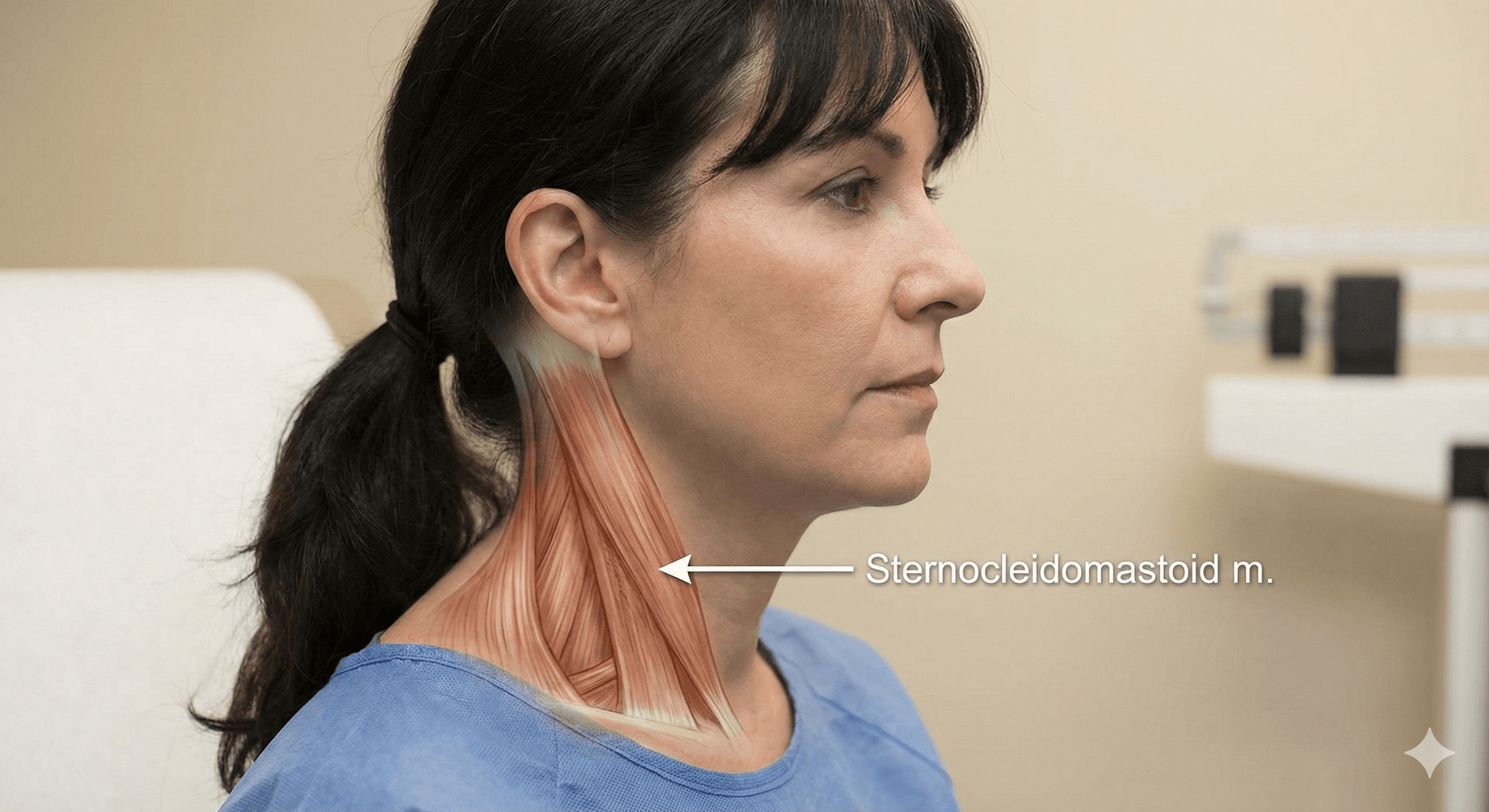
What Is the SCM?
The sternocleidomastoid (SCM) is the long, rope-like muscle you can feel on the front-side of your neck. You can find it by gently turning your head to one side—the SCM on the opposite side will pop forward. It helps you:
Turn your head
Tilt your head
Stabilize your neck while sitting or standing
Assist breathing when the diaphragm isn’t working efficiently
It’s incredibly important, but it also overworks easily—especially with modern posture habits.
One of the most common patterns we’re seeing today is:
a tight, irritated left SCM that’s actually compensating for tightness in the right shoulder and chest.
Let’s break down why this happens.
1. It Often Starts With the Right Side Getting Tight
Many people experience increased tightness on the right side of the upper body, especially in the:
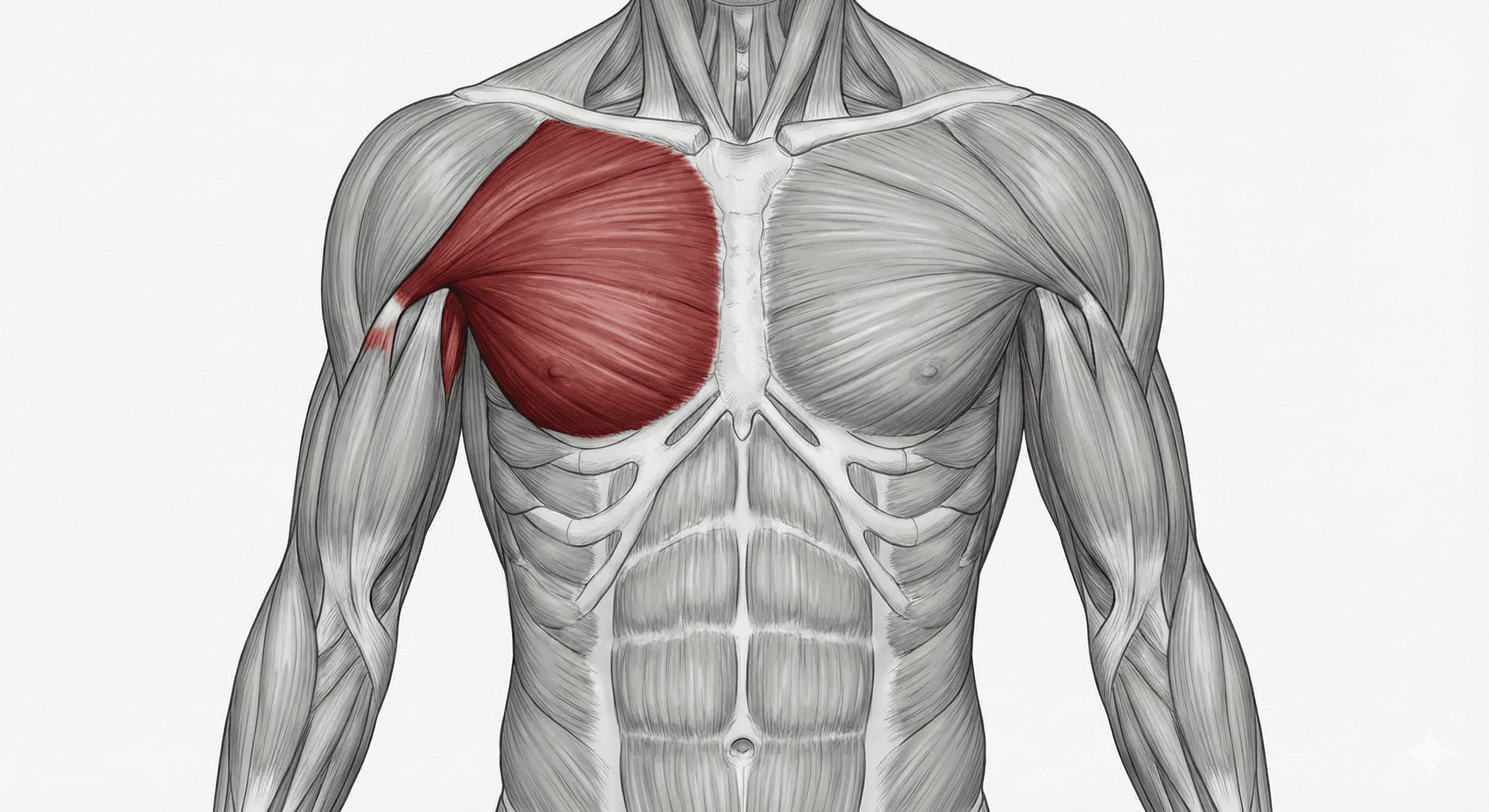
Pec muscle
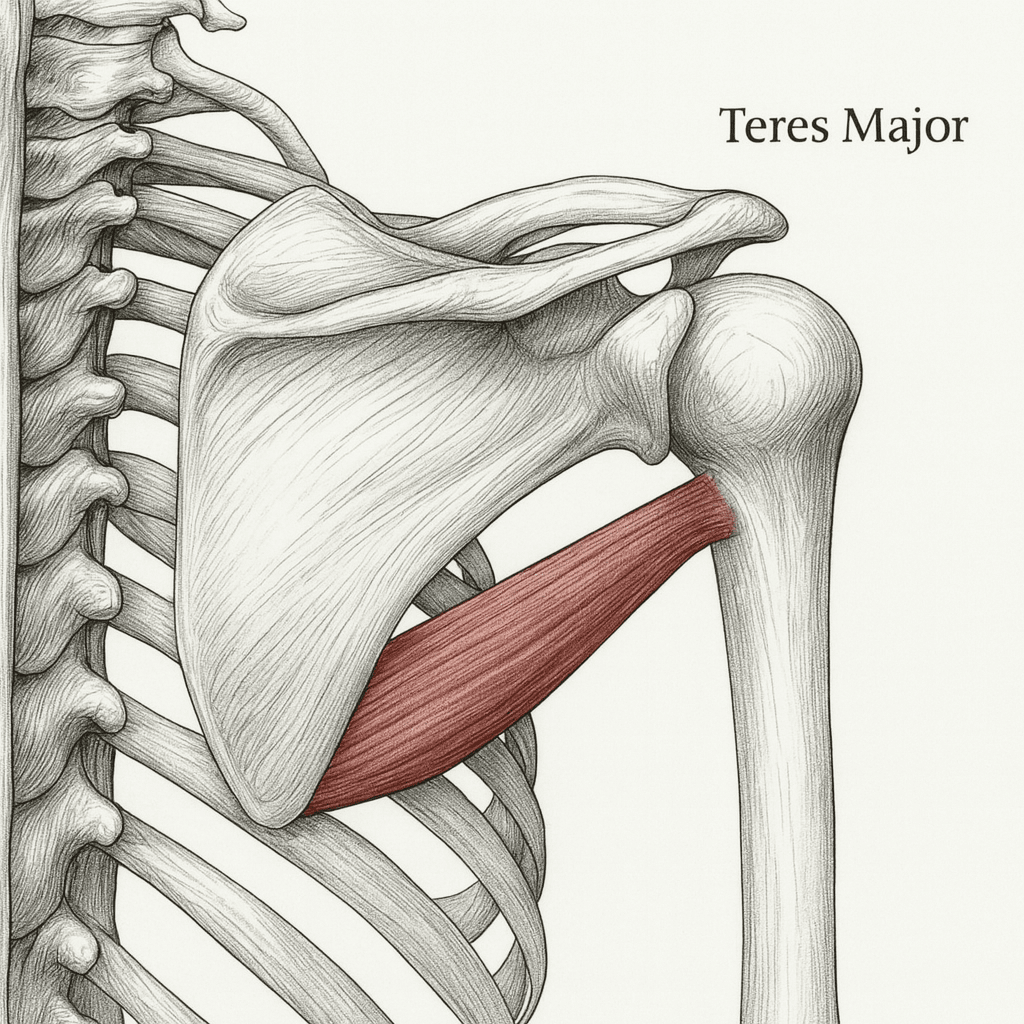
Teres major
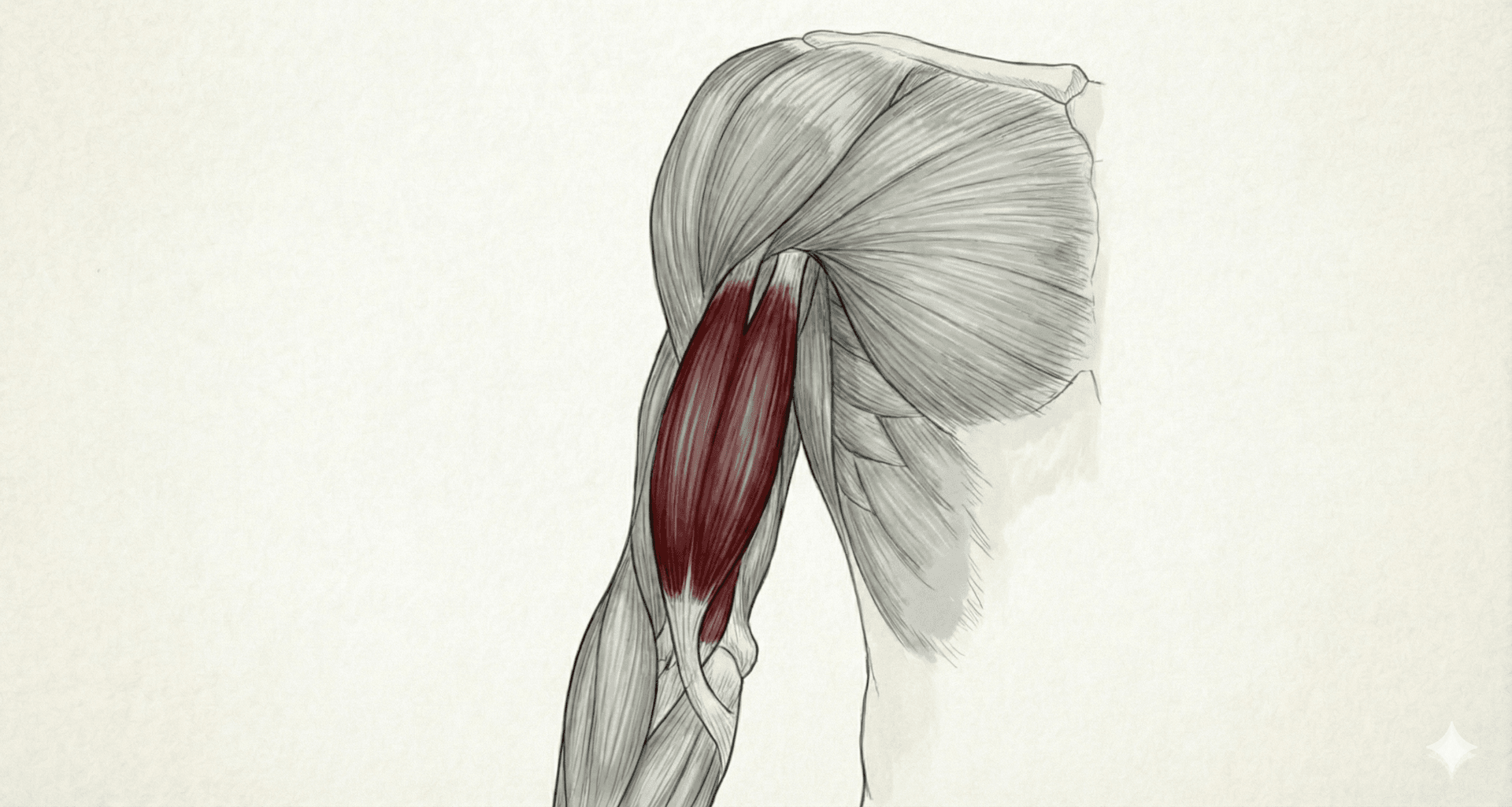
Biceps
This is extremely common in right-handed individuals who do most of their lifting, driving, typing, scrolling, and reaching with the dominant arm.
When these right-side muscles shorten, they tend to:
Pull the right shoulder forward
Rotate the upper body slightly
Create a subtle “collapse” on the right rib cage
Even if the changes are mild, the neck must compensate.
2. The Left SCM Steps In to Keep the Head Level
When the right side pulls forward, the head doesn’t stay perfectly centered. Instead, it subtly drifts right or forward.
To keep your eyes level and the head balanced, the left SCM “tightens up” to counter-rotate the head.
This is where the trouble begins.
Over time, the left SCM may become:
Tense
Tender to touch
Overactive
Easily irritated
Involved in headaches or ear/temple pressure
It’s not misbehaving—it’s overworking.
3. Device Use Amplifies the Imbalance

Modern habits make this pattern stronger:
Leaning on one arm while using a phone
Cradling the phone on one side
Typing with a dominant hand
Looking slightly down or to one side during screen use
Long hours sitting with subtle rotation
Because the right side is already shortened, the left SCM becomes the stabilizer rope trying to hold your head in the middle.
This is why many people feel their neck pain is “sudden,” when the reality is that small, repeated asymmetries add up over time.
4. Breathing Patterns Play a Role, Too
When the upper body gets compressed or rounded, the diaphragm doesn’t expand as effectively. To make up for this, many people shift to shallow, upper-chest breathing.
When that happens, the SCM becomes an accessory breathing muscle—helping lift the rib cage with every inhale.
And if the right side of the rib cage is tight or rotated, the left SCM often takes most of that extra breathing load.
Another layer of tension on top of its postural job.
5. The SCM Isn’t the Villain—It’s the Messenger
In most cases, a tight SCM is not the root cause. It’s reacting to a deeper imbalance.
The real drivers often include:
Right anterior shoulder tightness
Dominant-side posture habits
Rotated or compressed rib mechanics
Forward head posture
Prolonged device use
Repetitive one-sided tasks
When these upstream issues are addressed, the SCM usually calms down quickly—and so do the headaches, neck tension, and limited rotation that come with it.
A Mobile Chiropractic Perspective
During mobile visits, I see this pattern frequently—and the encouraging news is that it's very responsive to treatment. By improving mobility in the right anterior chain, freeing up the rib cage, and teaching simple positioning resets, the SCM often relaxes within a session or two.
Serving Delaware County & Northern Delaware
GoChiroMobile provides onsite chiropractic care throughout Delaware County, PA and Northern Delaware, helping patients restore mobility, reduce pain, and move with confidence—right where they are.